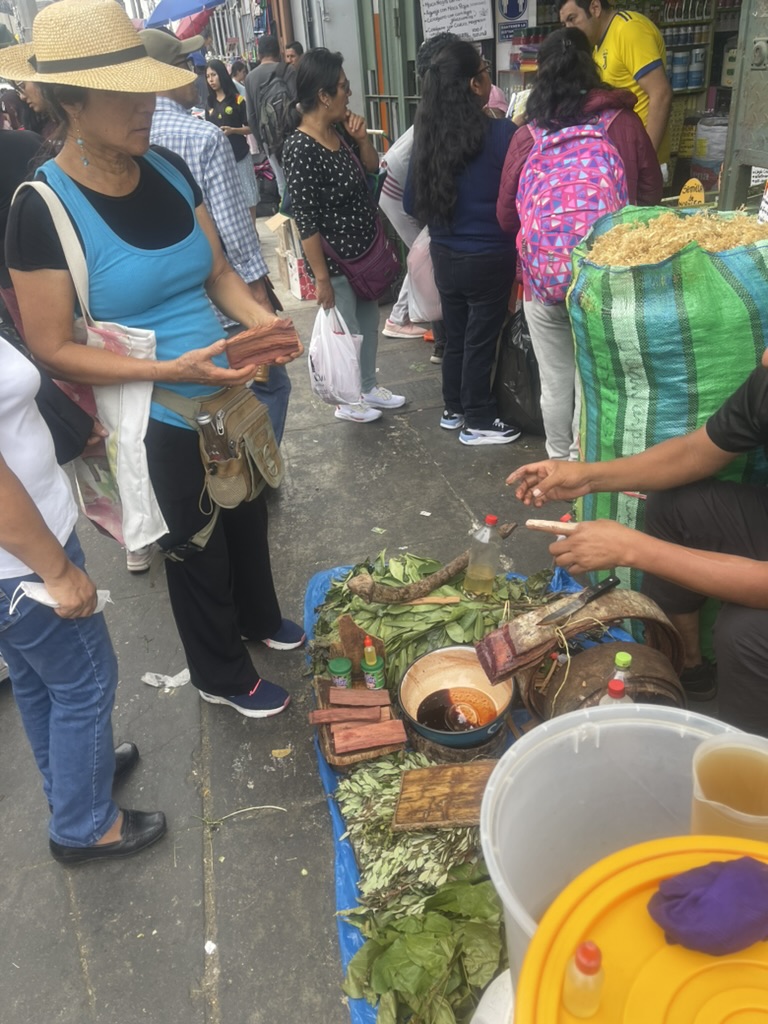
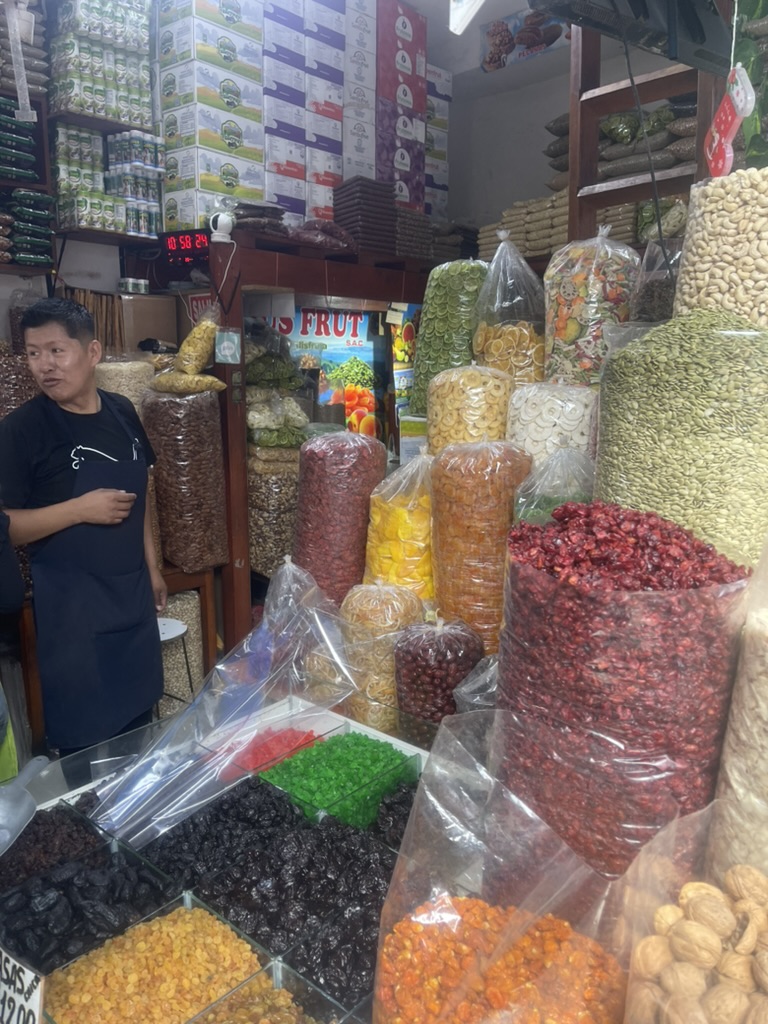
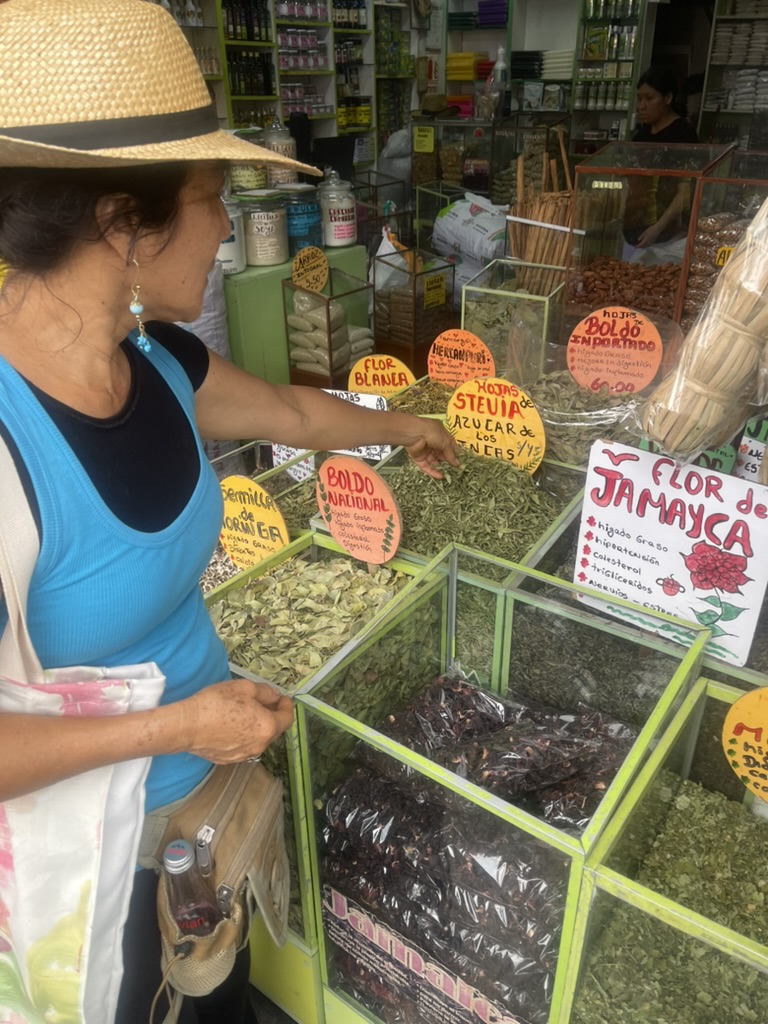
Peruvian Amazon · Amazon Plant Medicine for Skin
Sara grew up surrounded by the most powerful amazon plant medicine for skin on earth. She never bought a single product. Her skin told the story.
"I asked Sara what she used on her skin. She laughed — not rudely, just the way someone laughs when the question is slightly absurd. Then she pointed at her garden. Everything in it was already growing. Everything I had spent years looking for in bottles and laboratories was right there, rooted in the ground."
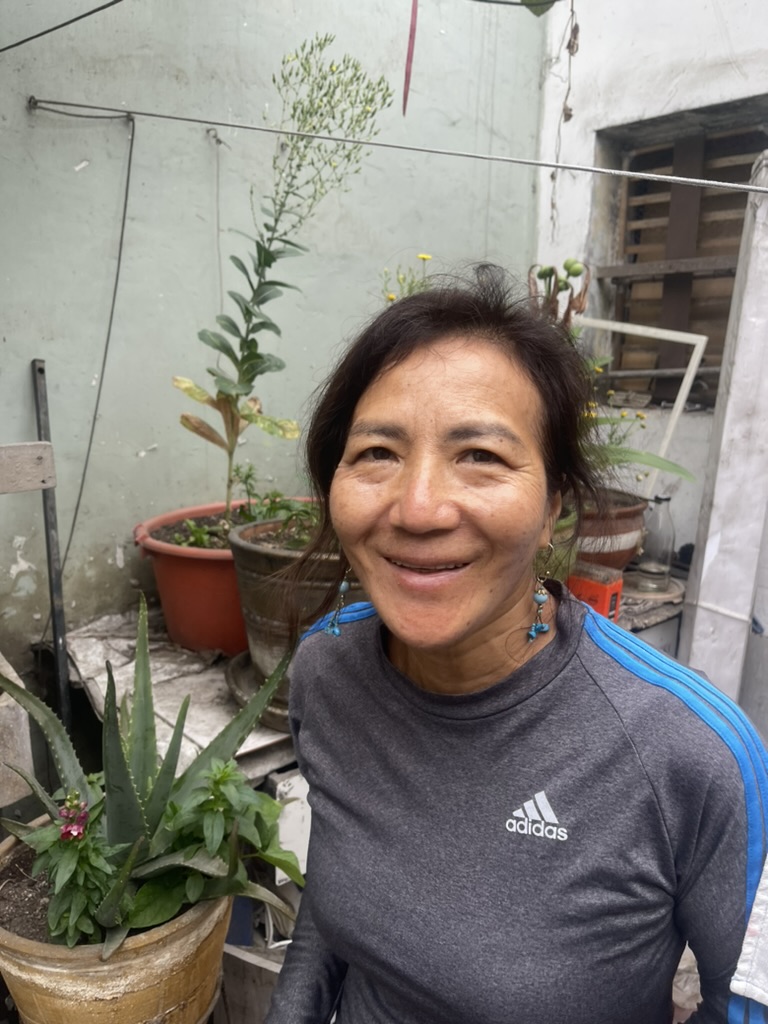
Sara grew up in the Peruvian Amazon. Not near it — inside it. She learned the names of plants before she learned to read. Her mother taught her which leaves to use for a burn, which bark to make into a tea when fever came, which resin to press against a wound. This was not herbalism as a hobby. It was the operating system of a household with no pharmacy within four hours by river.
When I met Sara she was working as a guide at a small lodge outside Iquitos. She spoke broken Spanish and no English. I spoke conversational Spanish and no Quechua. We communicated mostly through the plants themselves. In three days of walking her trails I received the most concentrated education in amazon plant medicine for skin I have ever encountered. More than any book, more than any laboratory, more than any spa.
In this post I am going to share exactly what Sara showed me — the specific plants in her garden, what they do for skin, and how the amazon plant medicine for skin tradition she grew up in translates into something you can actually use at home.
The Peruvian Amazon is home to more than 50,000 plant species — more botanical diversity per square kilometer than almost anywhere on earth. Indigenous communities including the Quechua, Shipibo, Ashaninika, and Ese Eja have been refining their understanding of these plants for thousands of years. The amazon plant medicine for skin tradition that Sara grew up in is not folklore. It is the product of millennia of empirical observation, trial, and refinement.
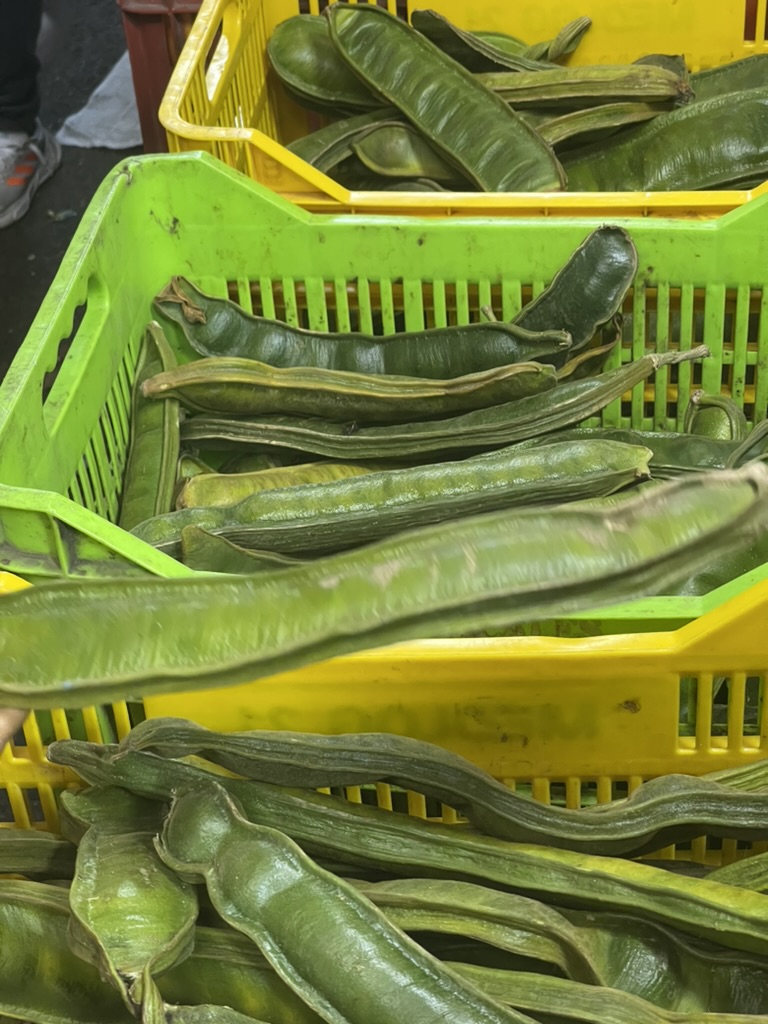
The Amazon — where amazon plant medicine for skin has been practiced for thousands of years before any laboratory existed to explain why it worked
When Spanish colonizers arrived in the 16th century they documented with astonishment the botanical knowledge of the communities they encountered. What struck them most was not the variety but the precision — these communities did not use plants randomly. They used specific plants for specific conditions, at specific concentrations, prepared in specific ways. The amazon plant medicine for skin knowledge Sara carries is the living continuation of that tradition.
"She did not say the word anti-aging. She did not need to. The concept was built into the practice itself — take care of the skin today, with what the forest provides, and it takes care of you for the rest of your life."
— Javier, on Sara
Sara garden was not landscaped. It grew the way the forest grows — dense, purposeful, each plant placed where it grows best. She walked me through it plant by plant. These are the five she returned to most for skin.
Every household in the Amazon grows aloe. Sara had three plants growing beside her doorstep. She broke a leaf open and applied the gel directly to a small cut on her hand while explaining its properties to my translator. The gel contains acemannan — a polysaccharide that accelerates wound healing and stimulates collagen production. The amazon plant medicine for skin tradition around aloe predates any Western cosmetic use by centuries.
"She used it exactly the way every dermatologist now recommends it — fresh gel, direct application, no processing. The bottle version is a pale imitation."
The cat claw vine climbs the trees at the edge of Sara garden, its hooked thorns visible from the trail. Indigenous communities across the Amazon including the Ashaninka have used it for thousands of years. For skin specifically, cat claw contains oxindole alkaloids and proanthocyanidins that protect against UV-induced DNA damage. Research from scientists in New York using human skin cells showed cat claw extract stimulates repair of UV-damaged DNA. This is the most scientifically significant amazon plant medicine for skin in Sara entire garden.
"She pointed at the vine and said something that my translator rendered as: this one fights time. She was not wrong."
The copaiba tree produces a golden resin that Sara family collects by tapping the trunk. High in beta-caryophyllene, a compound that binds directly to the skin CB2 receptors and produces measurable anti-inflammatory effects https://javierdiscovers.com/hammam-ritual-anti-aging-5-proven-steps-from-fez/. For mature skin dealing with redness, sensitivity, and the low-grade inflammation that accelerates aging, copaiba oil is one of the most effective amazon plant medicine for skin treatments available.
"The oil is warm and slightly earthy. On skin it absorbs faster than argan oil and leaves no residue. Sara family has been tapping the same trees for three generations."
The bright red seeds of the achiote tree were used by Amazonian communities for ritual body painting long before anyone understood why applying them to skin also protected against sun damage. The answer is bixin — a carotenoid antioxidant that absorbs UV radiation and neutralizes free radicals simultaneously. The amazon plant medicine for skin application of achiote predates the concept of SPF by several thousand years.
"Sara seeds stained my fingers orange for two days. The protection, it turns out, stays considerably longer."
The star-shaped pods of the sacha inchi vine grow along the edge of Sara garden. The seeds inside contain the highest concentration of omega-3 fatty acids found in any plant source. For skin, omega-3 fatty acids are structural components of the cell membrane itself. The amazon plant medicine for skin tradition of pressing sacha inchi seeds into a skin oil was centuries ahead of the science that eventually explained why it worked.
"She pressed the seeds by hand and showed me the oil. I brought four bottles home. I should have brought more."
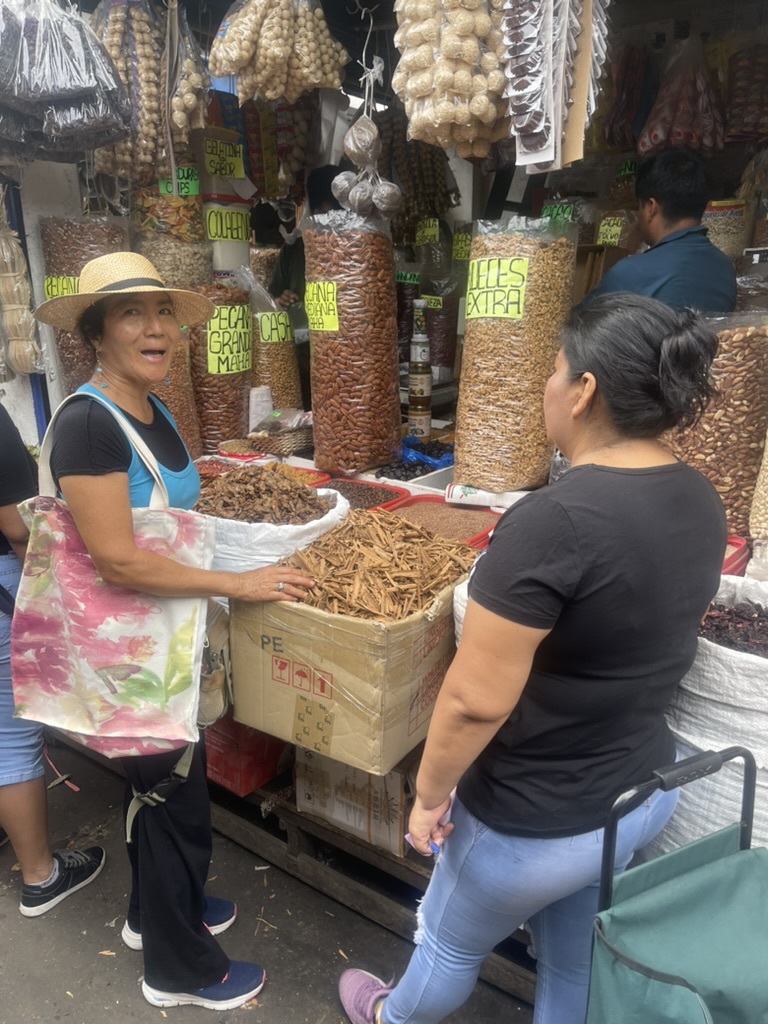
No studio. No styling. Just Sara, her garden, and knowledge passed down through generations — the living tradition of amazon plant medicine for skin.
The most striking thing about amazon plant medicine for skin is not that it works — it is that modern science keeps confirming mechanisms that indigenous communities identified empirically centuries ago. The research is not discovering new effects. It is explaining old knowledge in molecular language.
Cat claw is the most scientifically documented example. Studies published in peer-reviewed journals including Phytotherapy Research and the Journal of Ethnopharmacology confirm it enhances DNA repair in human skin cells, protects telomeres from UV-induced shortening, and produces measurable anti-inflammatory effects. Scientists at Mount Sinai Medical Center confirmed results showing cat claw stimulates repair of UV-damaged DNA — the primary driver of premature skin aging in sun-exposed populations. Sara grew up in the equatorial sun. Her community used cat claw as a matter of course. The mechanism makes complete sense in retrospect.
Research shows cells treated with cat claw extract extended lifespan by 201% in one study. Human skin cell research confirms it stimulates repair of UV-damaged DNA — the primary mechanism of sun-induced aging that amazon plant medicine for skin tradition targeted long before SPF existed.
Beta-caryophyllene in copaiba oil binds to CB2 receptors in skin tissue producing localized anti-inflammatory effects without systemic absorption. Chronic low-grade inflammation is now understood as the primary driver of accelerated skin aging — copaiba addresses it at the receptor level.
Bixin in achiote seeds is a potent carotenoid antioxidant that absorbs UV radiation and neutralizes free radicals simultaneously. Amazonian women used it as sun protection for generations. The amazon plant medicine for skin application of achiote is now being studied in natural sunscreen formulations.
The highest plant-source omega-3 concentration available. Omega-3 fatty acids are structural components of the skin cell membrane. Deficiency directly impairs barrier function, moisture retention, and inflammatory regulation — all three of which accelerate visible skin aging.
What Sara garden represents is not a collection of remedies. It is a complete skincare system — cleansing, healing, protecting, and nourishing — built entirely from what grows within walking distance. The amazon plant medicine for skin tradition she practices addresses every major mechanism of skin aging simultaneously. No single product category in Western skincare does that.
You do not need Sara garden. All five plants she uses are available in various forms outside the Amazon — as pure oils, extracts, and raw ingredients. The goal is to replicate her approach: simple, sequential, plant-based, and consistent. Amazon plant medicine for skin works through daily practice, not single applications.
Morning — Aloe gel first. Apply fresh aloe vera gel to clean skin before anything else. If you have a plant, break a leaf and use the raw gel. If not, look for pure aloe gel with no additives. This is the foundation of the amazon plant medicine for skin routine — cleanse and prepare the skin to receive what follows.
Morning — Achiote antioxidant protection. Apply a small amount of achiote seed oil or a product containing annatto extract to exposed areas before sun exposure. This is the Amazonian version of antioxidant sunscreen preparation — it does not replace SPF but adds a layer of UV-neutralizing protection that synergizes with it.
Evening — Copaiba oil for inflammation. Apply two to three drops of pure copaiba oil to face and neck after cleansing. This addresses the low-grade inflammation that accumulates through the day from environmental exposure, stress, and sun. It is the most underused step in any amazon plant medicine for skin home routine.
Evening — Sacha inchi oil to seal. After copaiba has absorbed, apply a few drops of cold-pressed sacha inchi oil to lock in the barrier. The omega-3 fatty acids seal the treatment beneath and rebuild the skin cell membrane overnight. This is the step Sara family has done for generations — seal the skin before sleep.
Weekly — Cat claw supplement. The anti-aging benefits of cat claw for skin are best accessed through oral supplementation — look for Uncaria tomentosa inner bark extract, 500mg capsules. This is not topical. This is the systemic amazon plant medicine for skin intervention that works from the inside, protecting DNA and extending cellular lifespan.
I asked Sara what she used on her skin and she laughed. Not at me specifically — just at the question. The way you might laugh if someone asked what you breathe. It was so obvious to her that it barely qualified as a question.
She had remarkable skin. I noticed it on the first day and spent the next three days trying to figure out if I was romanticizing it. I was not. She was likely in her late forties. Her skin had the texture of someone fifteen years younger. She had never used a single product from a bottle. She had never needed to.
The most uncomfortable part of those three days was the slow realization that the amazon plant medicine for skin tradition she grew up in was not primitive. It was complete. Everything I had been looking for, refined over thousands of years, growing in the ground twenty meters from where she slept.
Amazon plant medicine for skin refers specifically to the botanical traditions developed by indigenous communities in the Amazon basin — primarily Peru, Ecuador, Colombia, and Brazil — over thousands of years. The difference from general herbal skincare is precision and context: these communities developed specific protocols for specific plants at specific concentrations for specific skin concerns. It is not a collection of folk remedies. It is a refined system — the product of millennia of empirical observation in one of the most biodiverse environments on earth.
Cat claw is the most significant for mature skin because its mechanism targets the cellular aging process directly — DNA repair and telomere protection. Copaiba addresses the chronic low-grade inflammation that accelerates aging after 40. Sacha inchi rebuilds the skin barrier, which deteriorates significantly in the fifth decade. Used together these three address the three primary mechanisms of skin aging simultaneously — cellular, inflammatory, and structural — in a way that no single product achieves.
Cat claw inner bark extract at standard supplement doses — typically 250-500mg per day — is generally considered safe for healthy adults based on available research. It may interact with blood pressure medications and anticoagulants. Consult a healthcare professional before beginning any supplement protocol, particularly if you are on medications. The amazon plant medicine for skin tradition uses it in lower concentrations as a tea rather than concentrated extract — this is worth noting when considering dosage.
Aloe vera grows easily in most climates as a houseplant and is the most practical to grow at home — a single mature plant provides enough gel for a daily facial routine indefinitely. Achiote grows as a tropical shrub and is possible in warm climates like Florida, Southern California, and similar zones. Cat claw and copaiba are Amazonian trees that require tropical conditions and are not practical for home growing. The amazon plant medicine for skin tradition is most practically accessed through ethically sourced ingredients rather than home cultivation for most of these plants.
Copaiba oil, sacha inchi oil, cat claw extract, and achiote products are all available from ethical suppliers online. The key is sourcing — look for suppliers who specify the botanical name, the region of origin, and sustainable or wildcrafted harvesting. Amazon plant medicine for skin ingredients sourced directly from Peruvian and Brazilian communities are almost always higher quality than mass-produced versions — and purchasing directly supports the communities who hold this knowledge. Avoid products with long ingredient lists where these appear as trace additions.
Javier travels slowly — a minimum of three months per country — because the best anti-aging secrets don't reveal themselves in a weekend. The hammam attendant who shares her grandmother's black soap formula, the healer who works only by word of mouth, the market vendor who blends custom argan oil for regulars — none of them talk to tourists passing through. They talk to neighbors.
That is the Javier Discovers difference.